|
|

|
 |
Crannóg's
|
|
Welcome to Shee-Eire.com
section on Crannóg's.
A Crannóg refers to an artificially constructed island on
which a house was raised. The name comes from crann, a tree, indicating the
extensive use of wood in these constructions. Logs usually Oak where stuck upright into the lake, marshes or river bed and strapped together until a circular island was created to whatever size was needed. Then small stones and earth was used to fill between the upright logs untill it filled to the top and created an area of land to built a dwelling on.
Crannóg's are found in nearly every Lough
and river in some Counties, mainly concentrated in the lake regions of the Midlands, Ulster, and parts of Connacht. Some of these islands have become landlocked as the lakes have
dried up or the rivers have moved there course. There is an estimated 1200 - 1500 crannogs in Ireland. Crannogs show very long use-histories. Many originate in the Bronze Age but continued in use, sometimes intermittently, through the Iron Age and into the early medieval and even post-medieval periods (some sites have activity recorded into the 16th–17th centuries). Occupation phases differ by site.
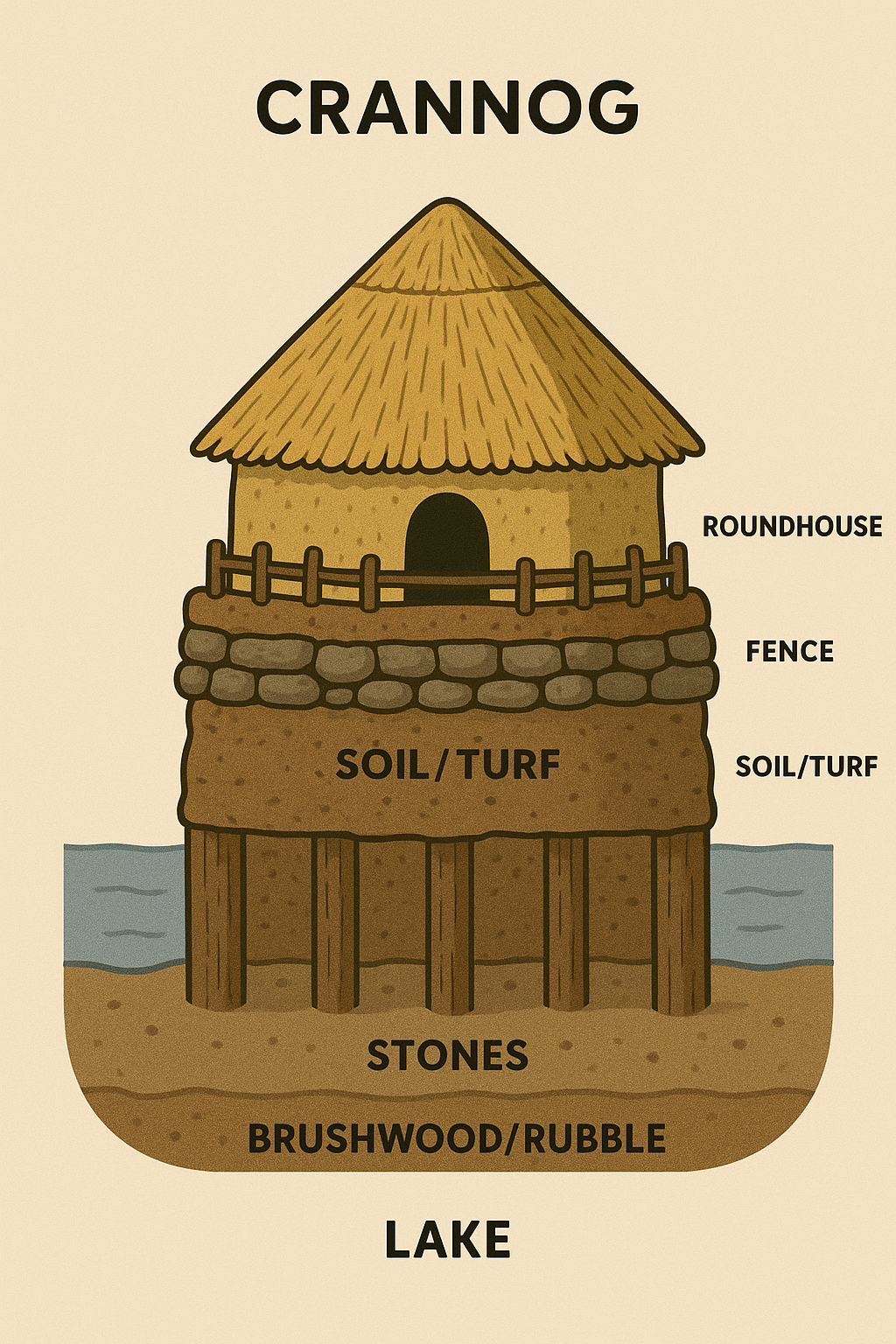
Construction — step-by-step: A solid archaeological picture has emerged from excavations and coring; a good cross-section diagram should include the following layers and features:
Palisade / timber revetment and driven piles — upright timbers driven into the lake bed or set as a retaining ring around the island. These can form a protective face/palisade.
Brushwood and timber layers — interleaved bundles/brushwood, often charred in places, used to create a working surface and to help consolidate the build.
Rubble / stone packing — stones and rubble were dumped between and inside the timber revetment to provide bulk and stability.
Soil / turf cap — a top layer of soil, turf or clay was spread to create a flat, usable living surface on which houses, fences and animal enclosures were built. This topsoil often contains hearths, floors and archaeological traces.
Superstructures — roundhouses, wooden fences, small yards and sometimes storage or animal pens erected on the prepared mound.
Usually all that remains of these sites is
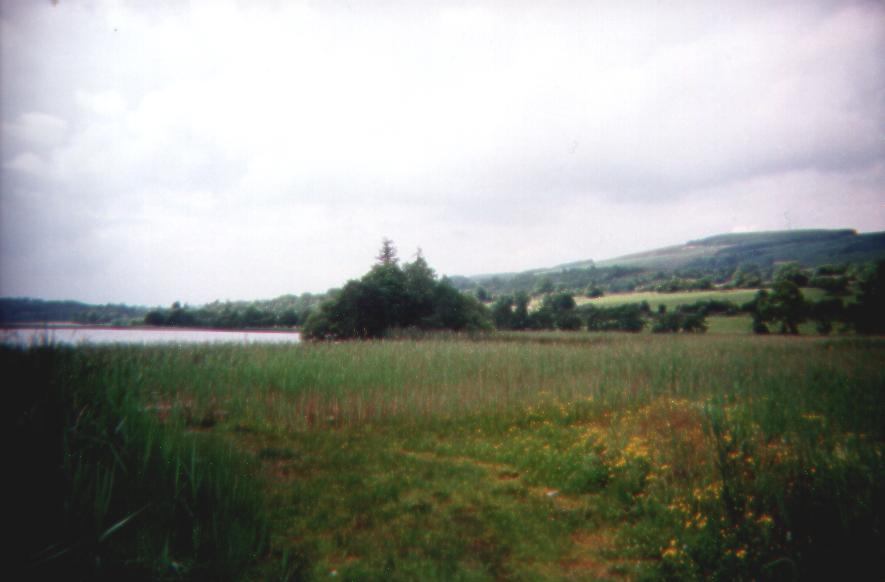
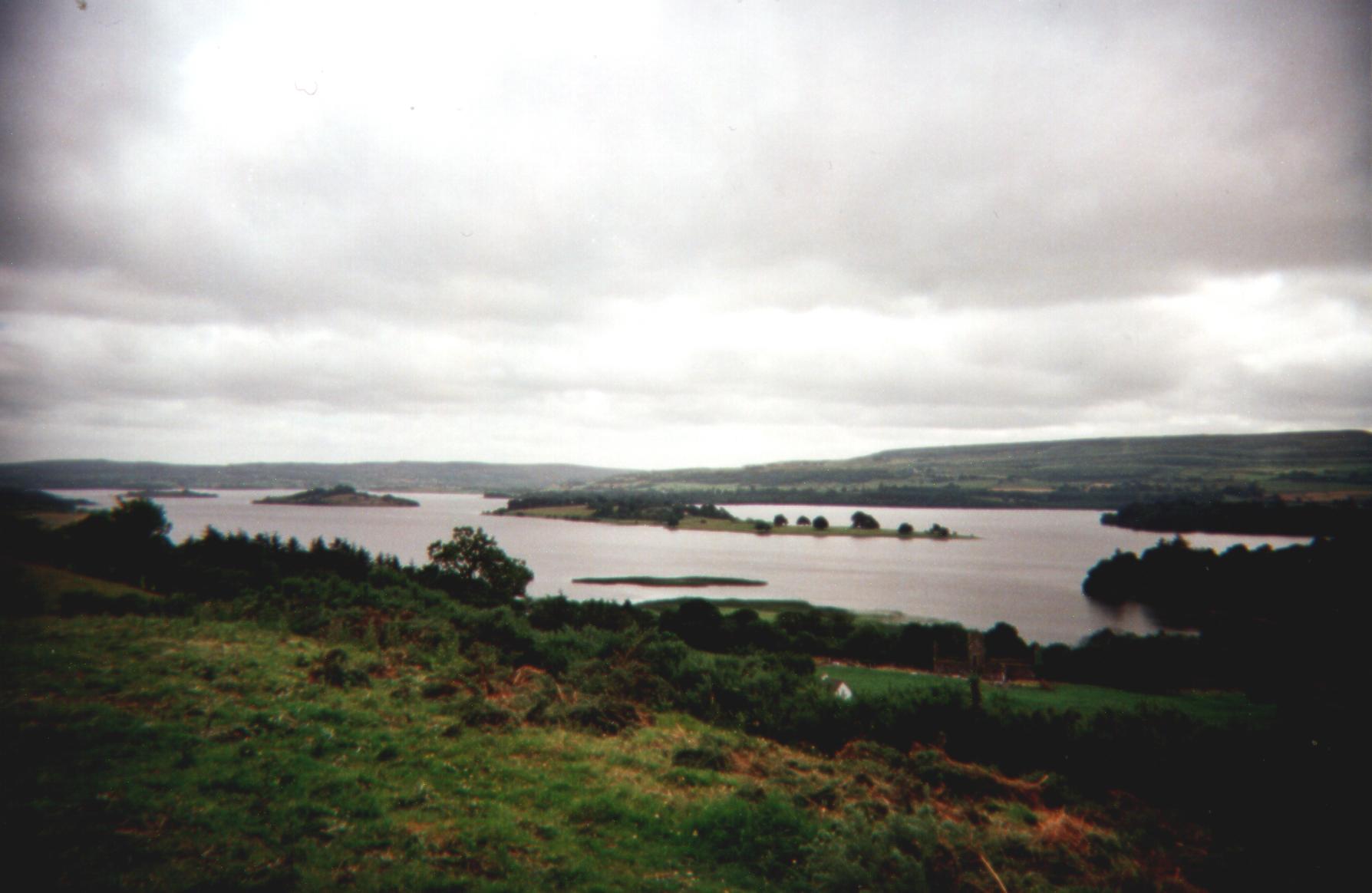
a small island with a few trees growing on it, but these site are in some of the most
scenic of locations.

County
- Sites 8
Antrim
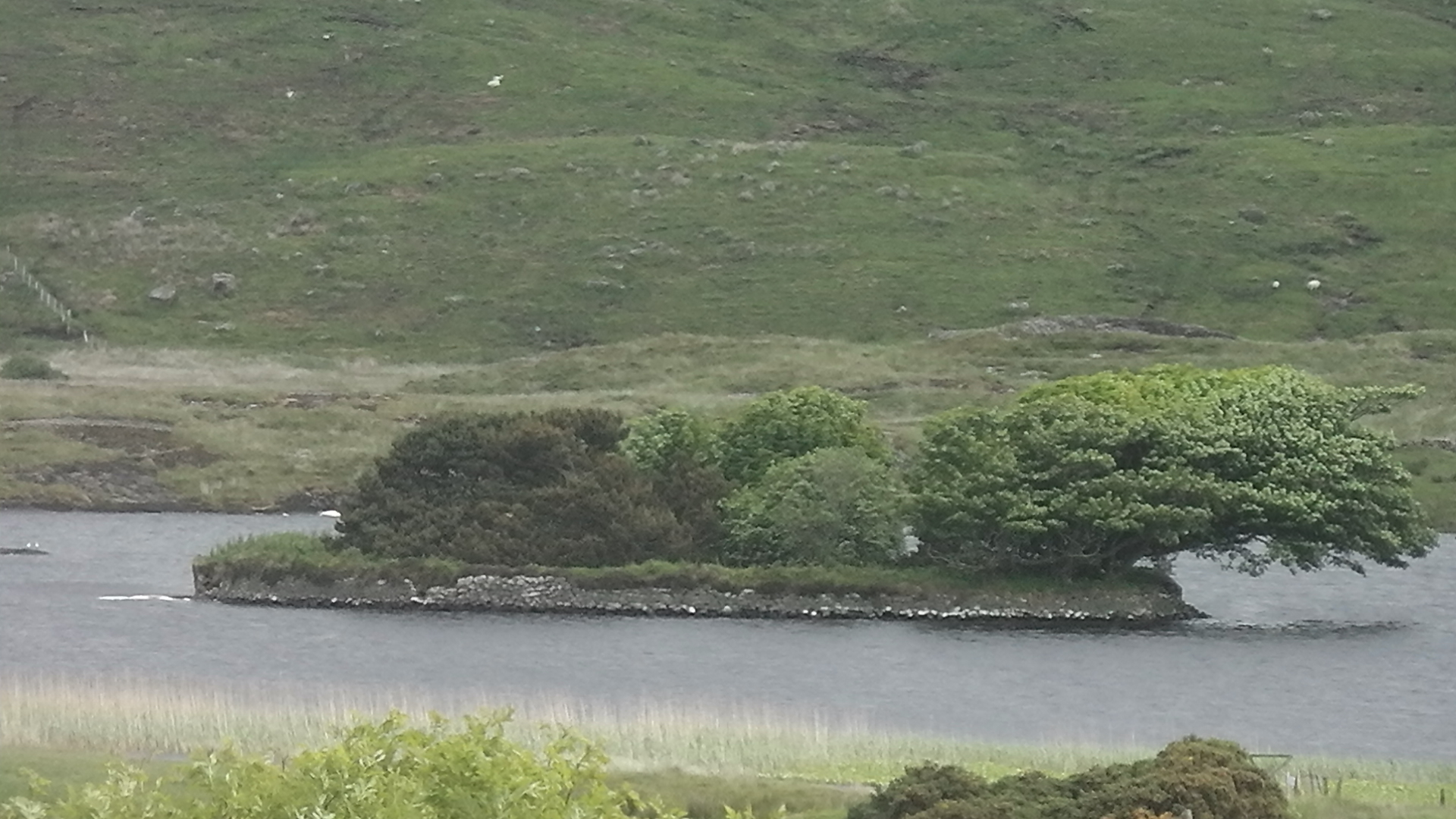
Lough Na Cranagh |
Cavan
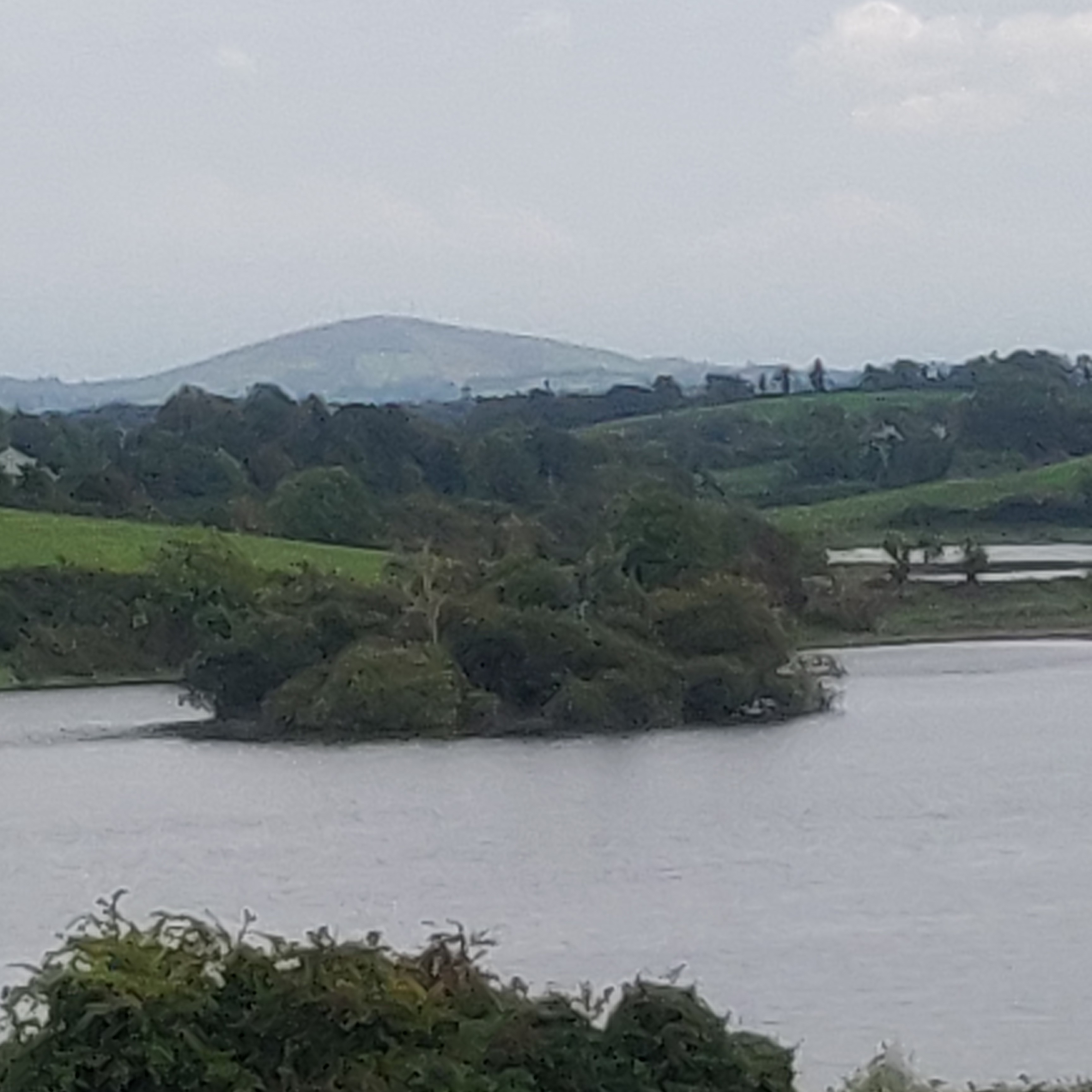
Garfiny
|
|
Leitrim
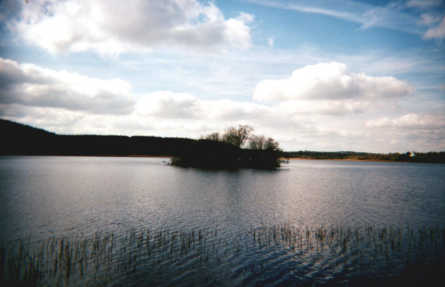
Castlefore Lough
|
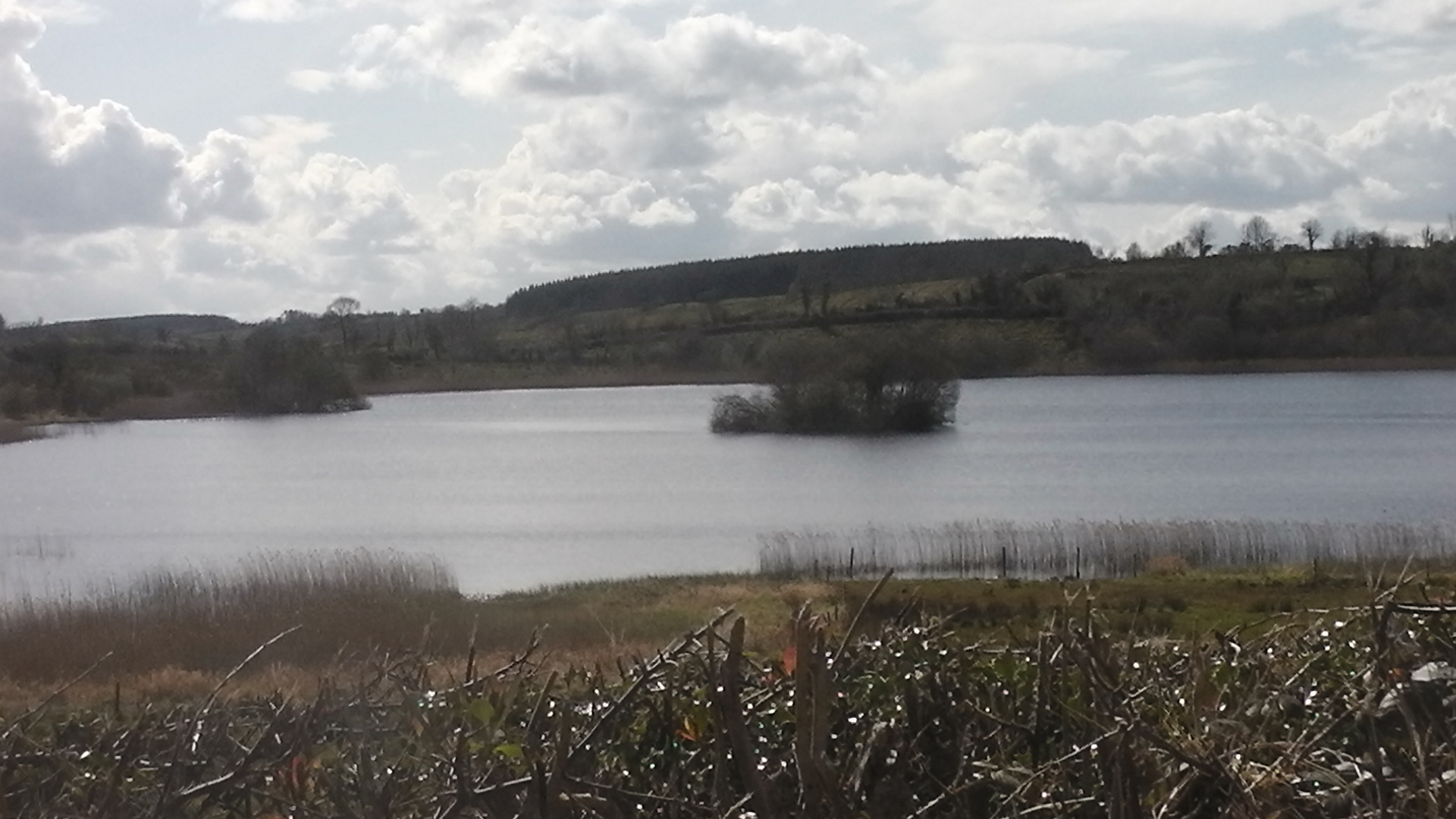
Donogher Lough |
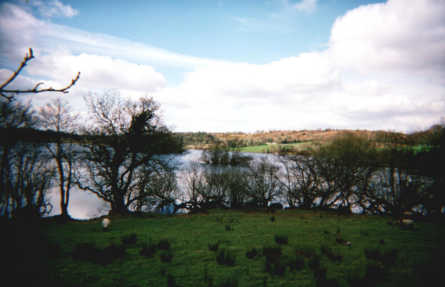
Fenagh Lough
|
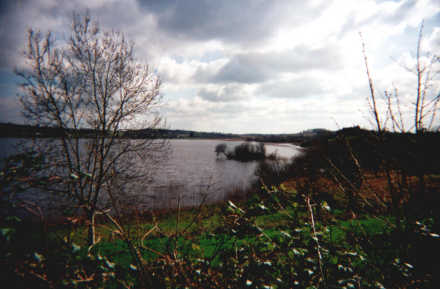
Keshcarrigan Lough
|
|
Roscommon
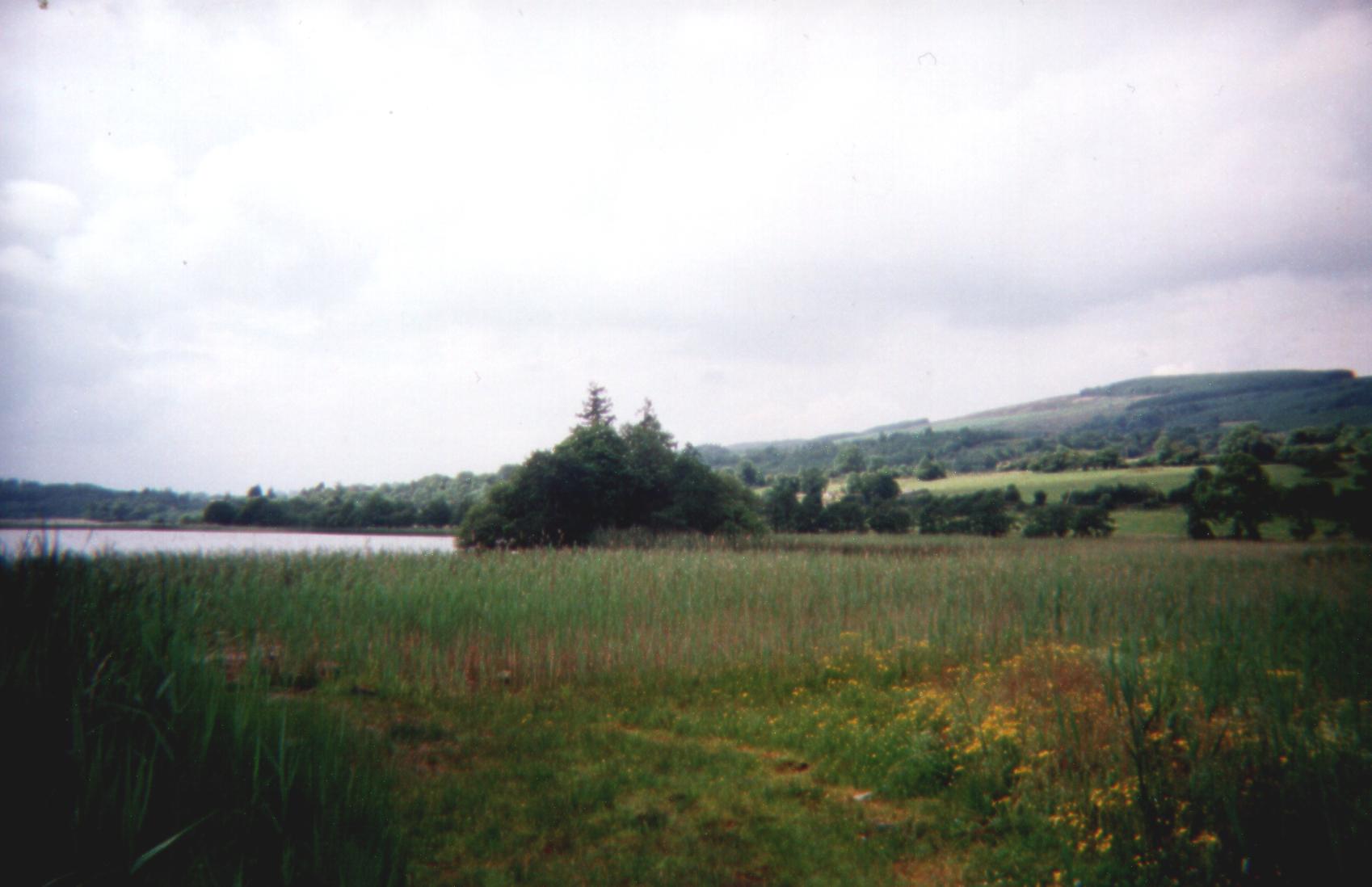
Meelagh Lough |
Sligo
Lough Arrow
|
|
|
top
Note: We will be adding more
information and photographs as they becomes available
© Shee-Eire:
|